Claude’s limits are real, but they are not a single fixed number you can memorize once and forget. On claude.ai, usage is dynamic: your quota changes based on conversation length, attachments, model behavior, demand, and whether you are doing plain text chat or heavier file analysis. The best way to avoid claude ai usage limits is not a “hack”; it is getting more useful work out of the same allowance.
In my own testing, long threads with repeated document follow-ups started burning through quota much faster than short, well-scoped chats. I also found that after a large PDF analysis session, starting a fresh thread often restored efficiency more than squeezing five more prompts into the old one. That pattern lines up with Anthropic’s own model and pricing documentation in the Claude docs.
- Claude can work within a very large context window, and larger prompts, longer histories, and file-heavy chats consume more compute.
- Anthropic’s web limits are separate from its API rate limits, so what feels restrictive in the chat app may be perfectly normal for a consumer product.
- Across AI tools generally, “free” now usually means bounded throughput rather than open-ended access, as current free-tier comparisons show across products and APIs in this 2026 free-tier roundup.
If you want a quick outside snapshot of how people compare the free plan, there is also a simple pricing explainer over at Credit for Startups.
Claude Free vs Pro: Usage Limits Compared
The most important difference is not just “more messages.” Pro gives you more room for the kinds of actions that drain quota fastest: long chats, file analysis, and repeated back-and-forth in the same thread. Free works well for lighter usage, but it becomes easier to hit a wall when you upload documents, ask for multiple revisions, or keep one conversation alive for too long.
Here’s the practical comparison:
| Plan | How limits behave | Reset pattern | What burns through quota fastest | Best fit |
|---|---|---|---|---|
| Claude Free | Dynamic and variable; not a guaranteed fixed message count | Commonly shown in rolling multi-hour windows | Long chats, PDFs, image-heavy prompts, repeated file uploads | Light daily use, short research, quick drafting |
| Claude Pro | Higher capacity than Free, but still not unlimited | Similar rolling reset behavior with more headroom | Large attachments, extended coding/debugging threads, long reasoning sessions | Frequent work, document analysis, longer sessions |
| Claude API | Pay-as-you-go with documented rate limits by tier | Governed by API rate limits and billing, not the chat-app cap | High-volume automation and large token usage cost money rather than triggering consumer chat caps | Developers, automations, production workflows |
Anthropic does not publish a single permanent “you get exactly X free messages” number for the chat UI, and that is why fixed blog claims age badly. A 2026 comparison of free AI plans described Claude free access at roughly a couple dozen messages in a multi-hour window while other products used different windows entirely, which is a good reminder that these policies are volatile and product-specific in this free-tier comparison.
My own rule of thumb: if your work is mostly short text prompts, Free can stretch surprisingly far. If you regularly upload documents, compare drafts, or keep one long-running project thread open all day, Pro feels less like a luxury and more like the point where Claude becomes predictable.
How to Maximize Claude AI Use. Turning Free into Pro?
What I tested and what counts as a real workaround
I compared Claude’s free web app behavior, a paid Claude workflow, Anthropic’s published pricing and rate-limit docs, and file-upload support documentation over repeated sessions. I tested short chats, long-running threads, PDF uploads, multiple revision turns on the same document, and what happened after hitting practical slowdowns or message warnings. I also compared that experience with model-switching inside Writingmate.ai because many people do not need “more Claude” as much as they need a way to keep working when Claude’s chat quota becomes the bottleneck.
For this article, I count a limit as reached when Claude stops accepting normal work, shows a usage warning, or becomes noticeably less usable because the current thread is too token-heavy. A real workaround must stay within Anthropic’s normal product rules. Anything that depends on throwaway accounts, deceptive automation, or fake “unlimited” claims does not qualify. The goal here is not to remove caps inside claude.ai; it is to use your allowance better, shift the heaviest work to the right interface, and avoid wasting quota on preventable token overhead. Anthropic’s own API and pricing materials make that distinction clear in the pricing docs and rate-limit documentation.
The playbook that actually saves quota
- Start a fresh thread after long analysis sessions. Claude has to work with prior context, so a bloated conversation becomes progressively expensive. In my use, a thread that began with one PDF and then accumulated summaries, rewrites, and follow-up questions hit limits much faster than a fresh chat containing only the final task.
- Bundle revision requests into one prompt. Instead of “shorten this,” then “make it friendlier,” then “add bullets,” ask for all three changes together. One carefully scoped message usually costs less than three separate turns because Claude is not reprocessing the same history over and over.
- Upload a PDF once, then finish the job in the same session. Re-uploading the same document is one of the easiest ways to waste quota. If you know you need summary, extraction, and rewrite steps, plan that workflow before uploading.
- Keep source material tight. If only pages 40–55 matter, do not upload a 120-page report and hope for the best. Trim or split first. Smaller files and narrower prompts reduce the chance that a single request becomes disproportionately expensive.
- Use plain text when a file is overkill. If the important part of a document is only a few paragraphs, pasting the relevant text is often more efficient than sending the whole file.
- Move repetitive heavy work out of the web app. If you are processing many documents or repeated coding tasks, the chat UI is usually the wrong place to do it. API usage is better suited to predictable volume.
- Switch tools when the task, not the model, is the issue. Sometimes the fastest way forward is not waiting for Claude to reset; it is continuing in a different model or interface. That is where Writingmate.ai can be useful, especially if you want one chat environment with model choice instead of being blocked by a single vendor’s web-app ceiling.
Claude 4 does well in specific tasks like coding, and the key to stretching it is reducing wasted context, not forcing more turns out of an exhausted thread.
Bypass the Limits with the Claude API or Third-Party Apps
There is no legitimate hack that removes Claude caps inside claude.ai. If a post or video promises a secret bypass that makes the official chat app unlimited, treat that as a red flag. The lawful options are simpler: use fewer token-heavy interactions in the web app, move high-volume workflows to Anthropic’s API, or pick an alternative interface or service plan that fits your workload better.
The first path users should try is to make the web app cheaper to use. Shorter chats, fewer repeated uploads, and consolidated prompts usually go farther than people expect. This is the safest answer when you only hit the limit occasionally.
The second path is Claude’s API. This is not “free unlimited Claude”; it is a different product model. With the API, you pay for usage and work within documented rate limits by tier, which is exactly what makes it more suitable for heavier or more automated workloads. If you are running recurring document pipelines, coding tools, or production workflows, the API is often the cleanest way to stop consumer chat limits from disrupting work. Anthropic documents these boundaries in its API rate limits.
The third path is using a different interface when your main problem is workflow continuity rather than raw access. Some users want one place to compare models, switch when one service is constrained, and avoid being tied to a single chat app’s ceiling. In that case, Writingmate all-in-one AI chatbot is one option: it gives you access to many models in one place, which can be more practical than trying to force every task through Claude’s web interface alone. You can also try it directly at writingmate.ai.
What not to do: do not create multiple throwaway accounts to dodge product limits, do not automate against a service’s terms, and do not trust vague “unlimited Claude” offers that cannot explain their pricing or model access clearly. In 2026, free AI access across the market has generally tightened as products scale, especially for expensive features like reasoning, coding agents, and file-heavy analysis, as noted in this limits tracker. In other words, legitimate unlimited access is rare; honest products tell you where the limits are.
As my other blog posts explain, using even a basic subscription from writingmate.ai can make more sense if you regularly need fallback models rather than one specific chatbot.
What Can I Upload to Claude?
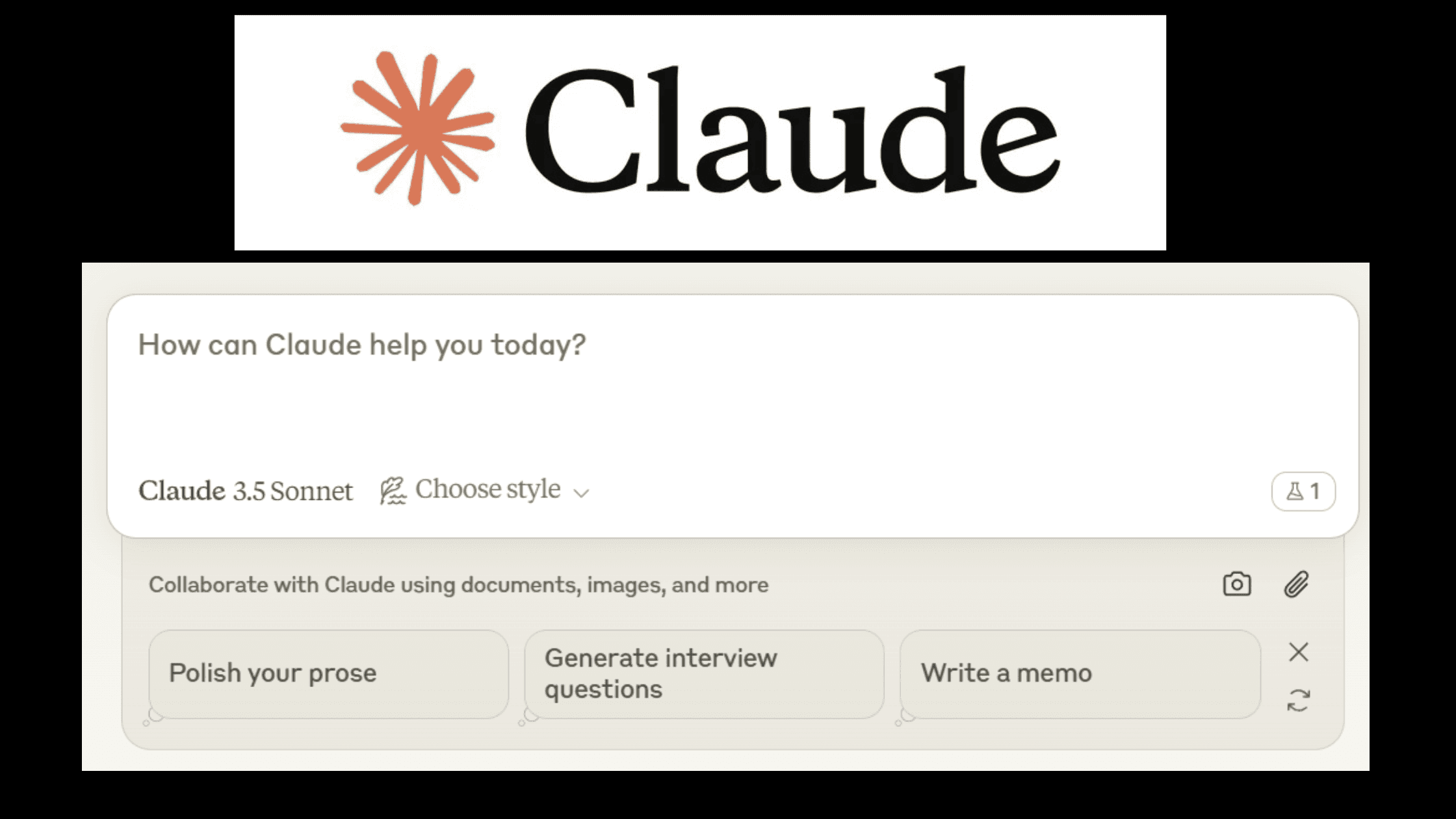
Claude supports a wide range of documents, but uploads are not unlimited, and they can make you hit your cap faster on the free plan than text-only chats. According to Anthropic’s upload guidance, chat uploads support common formats including PDF, DOCX, CSV, TXT, HTML, ODT, RTF, EPUB, JSON, and in some workflows XLSX via analysis tooling, with details listed in Anthropic’s document upload guide.
Here is the practical breakdown:
| Upload factor | What to expect |
|---|---|
| Supported types | PDF, DOCX, CSV, TXT, HTML, ODT, RTF, EPUB, JSON, and some spreadsheet support in analysis contexts |
| Per-file size | Up to approximately 30 MB per file in chat support guidance |
| Files per chat | Up to approximately 20 files per chat in the cited support documentation |
| PDF handling | Text extraction is standard; visual interpretation is better on supported newer models and smaller documents |
| Page considerations | Visual-heavy PDFs and longer page counts consume more quota; under roughly 100 pages is the practical threshold often referenced for richer PDF analysis |
| Unlimited uploads? | No. Even if a file type is supported, upload-heavy sessions can trigger message or compute caps sooner, especially on Free |
For PDFs, Claude 4 and recent Sonnet models are much better when the document includes charts, screenshots, or mixed layouts. In my use, plain-text reports were far easier on the quota than visual-heavy decks, even when the page counts were similar. That is one reason a 60-page image-heavy file can feel “larger” in practice than a longer text PDF.
- With writingmate.ai, you also get an ability to upload various file types to analyze and work with, and you can do it almost with no limits or caps.
Troubleshooting upload and image-count errors
If Claude tells you that your message will exceed the maximum image count for this chat, the usual cause is not a random bug. It typically means the current conversation already contains too many images or image-like pages for Claude to process comfortably in one thread.
Try these fixes in order:
- Start a new conversation if the current thread already includes earlier PDFs, screenshots, or image-heavy turns. I have seen this help when the problem was accumulated visual context rather than the newest file alone.
- Reduce the number of pages or images before upload. If only a section matters, split the document and send the relevant part.
- Convert image-heavy files into smaller chunks. This works especially well for slide decks, scanned PDFs, and reports full of charts.
- Use text extraction first when visuals are not essential. A text-only version often avoids the same cap.
- Do not keep retrying the same oversized file in the same chat. Repeated attempts can waste quota without changing the outcome.
In short: Claude can analyze a lot, but it does not offer unlimited uploads, unlimited images, or infinite accumulation inside one thread. Smaller, more intentional batches work better.
What to Do If You Hit Claude's Usage Limit
When Claude says you have reached your limit, the best next step depends on what caused it.
- If you were in a long chat: start a new thread and restate only the essentials.
- If you were uploading files: wait for the reset window, then split the material into smaller pieces.
- If you need the work done today: move the task to the API or continue in another model.
- If Claude seems unusually constrained: check whether the issue is a wider outage or degraded service before assuming it is only your account.
The most common mistake is continuing to poke the same exhausted conversation with small follow-up messages. In my use, that almost always performs worse than either waiting for the reset or opening a clean thread with a tighter brief.
If you rely on Claude for work, keep a fallback ready. That can mean Pro, the API, or a multi-model tool where you can continue the task elsewhere if Claude becomes rate-limited. One practical option is checking how to check Claude’s status and then deciding whether to wait, retry later, or switch tools.
How (and why) to Manage Claude Chat History
Does AI save chats and let you search in chats? For a long time, Claude does save your chats by default as part of your account history. Still, in case you want to erase that data, do this:
- Delete an individual conversation: Open the chat, click its title at the top, and choose
- Delete, removes that chat from your list.
- Bulk delete conversations: In the left panel, hover and click “View all” to see Recents. Check each chat you want gone and hit Delete Selected
- Clear all chat history: Go to your profile icon (bottom left), open Account Settings, find the privacy/account section, and use “Clear chat history”. Follow prompts to erase everything.
These tools mean Claude will no longer be saving deleted chats on its backend. For privacy, deleting old chats can, in my experience, be quite convenient as well. Also, if you ever want a copy of your data, Anthropic lets you export all chat history from Account Settings.
Writingmate.ai does a similar thing, it lets you export all data and / or remove previous chats. Remember, that you can always swich models in any given Chat and go from Claude 4 sonnet to Llama 4 Maverick, or from GPT4o to Deepseek R1, and many more and it's very simple to do in 2026.
Claude + Other Top AI Models on an All-in-One Platform
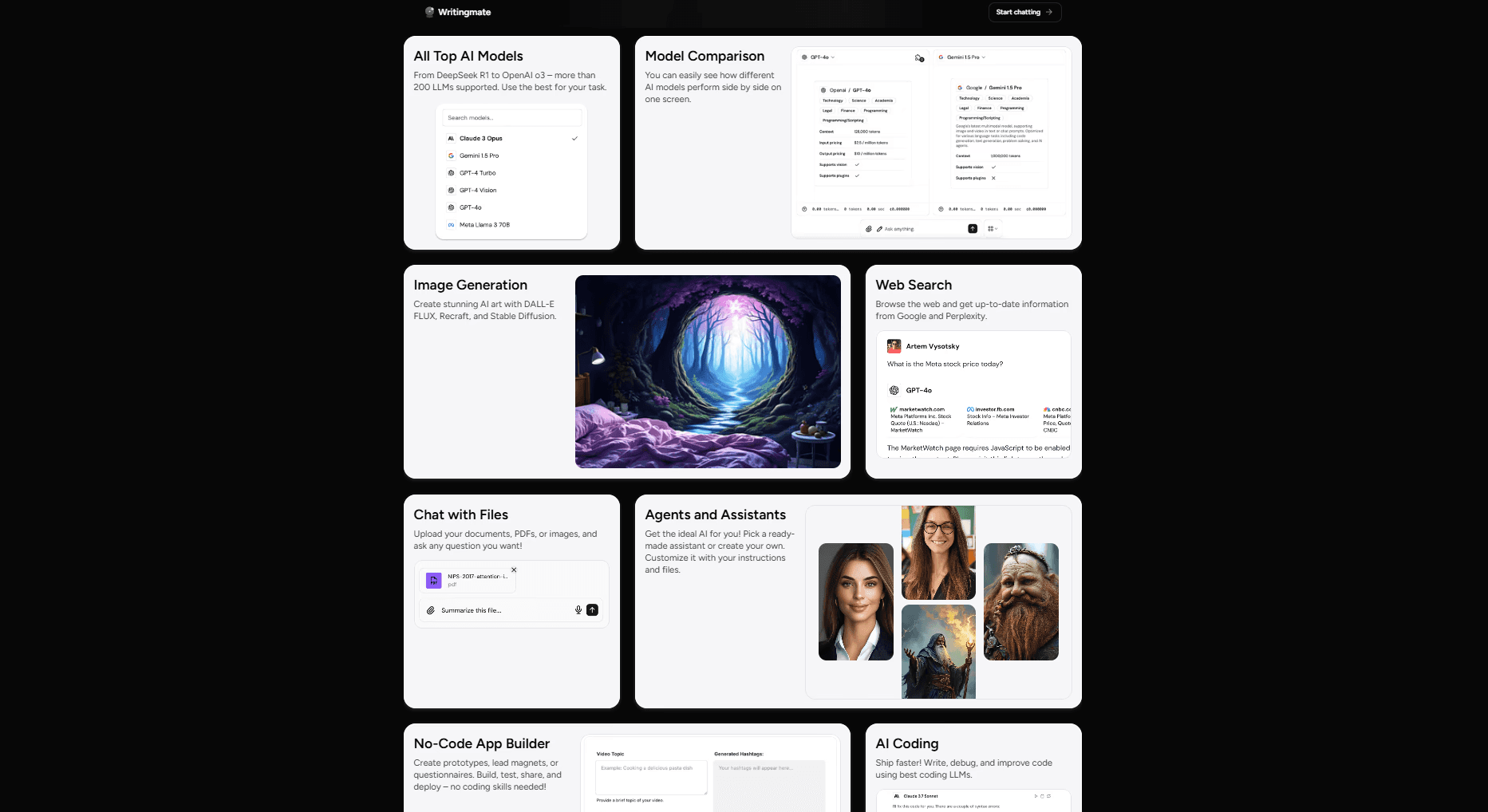
Some platforms let you use Claude without the usual web limits. Writingmate.ai is a multi-model chat app with far more freedom. There are more than 100 AI models to use. That includes OpenAI GPT-5, openAI o3 mini (&high), Anthropic Claude (4, 3.7 Sonnet, 4.1 Opus), Google Gemini 2.5 + Pro, Meta LLaMA 4, Mistral, and others.
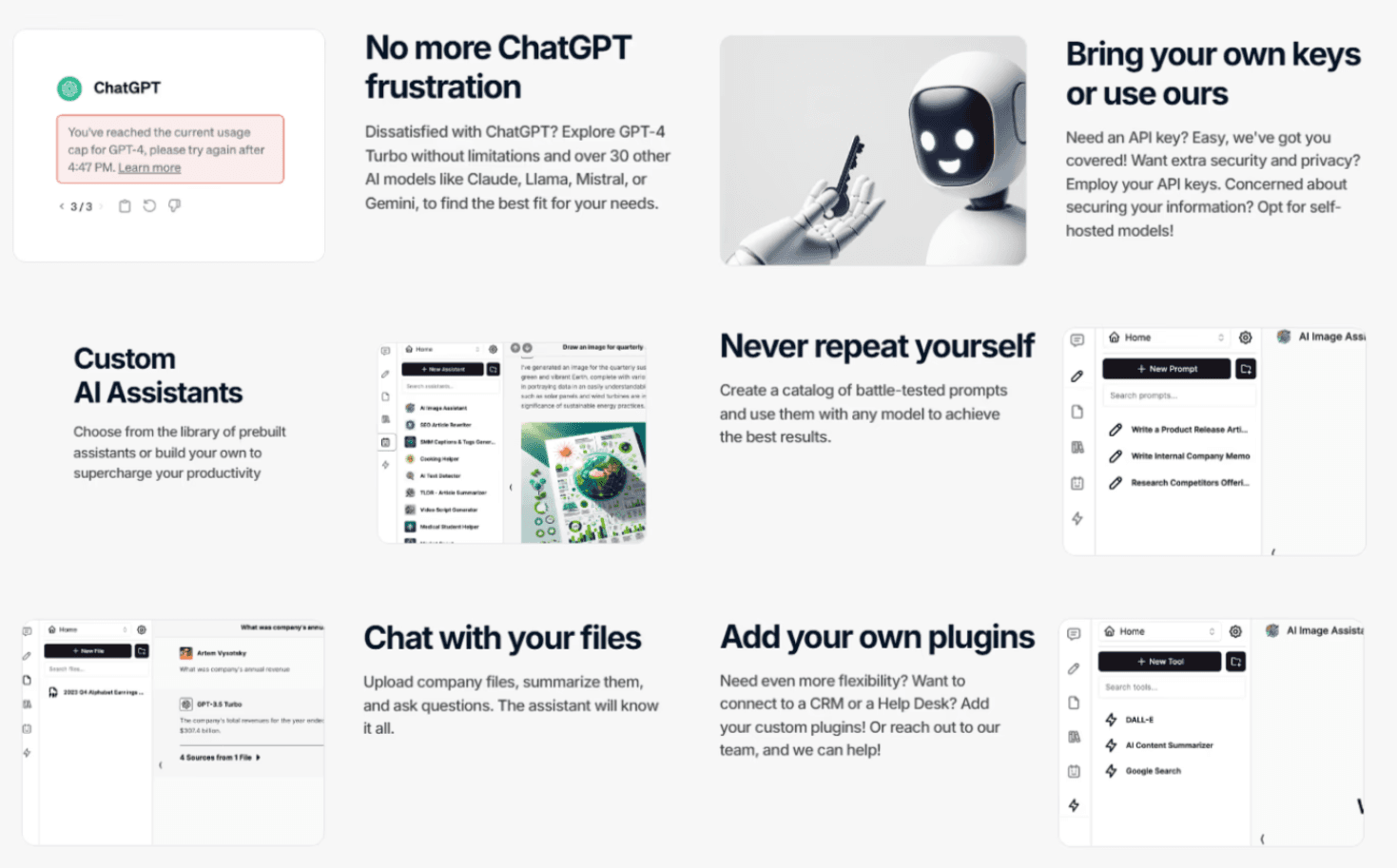
Writingmate’s free tier already has a lot more use and less caps on many models and better daily quota on premium models that is often higher than those on a "default" Anthropic UI. Main feature is that it lets you switch models instantly.
For example, you start a chat with GPT-5 and then need to switch to Claude 4 sonnet for coding, and then to Perplexity or Gemini for world knowledge and deep research. This is done inside of one chat with one push of the button and great continuity. There is also quite a handy model comparison feature. That means if Claude hits a wall (or is down), you can flip to GPT-5 (or 4o / o3), alternatively, another Claude variant and keep going, just with one switch of a button.
You keep your chat history, use the best capabilities of multiple models at the same time, and do much more. All major Claude versions (including Claude 4 Sonnet and Claude 4.1 Opus) are supported on Writingmate. Pro tip: Writingmate’s blog even suggests checking Anthropic’s status page and switching models via Writingmate during all kinds of outages.
Useful Links & Readings
Here are some basic resources that you may find useful.
- Anthropic — Claude 4 Official Press-release
- Claude 4 Pricing & Limits (API)
- Official Chat UI (claude.ai)
Frequently Asked Questions
What are Claude AI usage limits in 2026? (Free Tier)
Claude free limits are dynamic, not a permanent published message number. In practice, many users see a limited number of messages in a rolling multi-hour window, but that usable range changes with conversation length, file uploads, and system demand. Short text chats go farther than long document-analysis sessions.
What are Claude pro limits in 2026?
Claude Pro gives you noticeably more headroom than Free, but it is still not unlimited. The practical difference is that Pro tolerates longer sessions, more back-and-forth, and heavier tasks before you hit a wall. If your work regularly includes PDFs, coding threads, or repeated revisions, Pro usually feels more stable because the reset behavior is similar but the capacity is higher.
Can I use web browsing on Claude? How to turn it on?
If browsing is available in your Claude plan or workspace, it is typically exposed as a tool or feature within the chat interface rather than a capability granted by sending extra messages. Availability can depend on account type, region, and product rollout. If you do have access, remember that tool-enabled chats can use more resources than plain text conversations.
When does Claude AI limit reset?
For the chat product, the reset is commonly described in rolling multi-hour windows rather than a neat midnight daily reset. Many users see availability return after several hours, and older guidance often referenced roughly 5-hour windows. If you are blocked, waiting for that next window, then starting a fresh chat instead of reviving the old one, is usually the cleanest move.
Best ways to avoid hitting Claude limits?
Use shorter threads, combine related instructions into one prompt, avoid re-uploading the same file, split large PDFs before sending them, and switch to the API or another model when the task is heavy and repetitive. The fastest win is to open a new thread after a long conversation instead of stacking more prompts onto an already expensive chat.
Sources
- https://docs.anthropic.com/en/docs/about-claude/models
- https://www.anthropic.com/pricing
- https://docs.anthropic.com/en/api/rate-limits
- https://writingmate.ai/
- https://writingmate.ai/blog
- https://support.anthropic.com/en/articles/8241126-what-kinds-of-documents-can-i-upload-to-claude-ai#:~:text=Chat%20uploads%3A
- https://writingmate.ai/blog/llama-4-access-capabilities
- https://writingmate.ai/blog/claude-ai-down
- https://www.anthropic.com/news/claude-4
- https://docs.anthropic.com/en/docs/about-claude/pricing
- https://claude.ai/
Written by
Artem Vysotsky — Ex-Staff Engineer at Meta. Building the technical foundation to make AI accessible to everyone.
Reviewed by
Sergey Vysotsky — Ex-Chief Editor / PM at Mosaic. Passionate about making AI accessible and affordable for everyone.
| Model | Daily Limit (approx) | Notable Features |
|---|---|---|
| Claude 4 (Free) | ~40 messages/day (resets daily) | File uploads (PDF, DOCX, CSV, TXT, etc.) up to 30 MB each |
| Claude 4 (Pro) | $20/mo; about 5× free usage | |
| ChatGPT with GPT5 (Free) | No fixed limit (4K token context) | GPT-3.5 model; no file uploads |
| ChatGPT Plus | No fixed limit (8K/32K token context) | GPT-4 model; $20/mo; image/DALL·E support |
| Mistral 7B | Unlimited (open-source) but slower | 8K context; free to use |
| LLaMA 3 (7B) | Unlimited (open-source) | 8K context; free to use |
Frequently Asked Questions
Sources
- https://docs.anthropic.com/en/docs/about-claude/pricing
- 2026 free-tier roundup
- over at Credit for Startups
- free-tier comparison
- https://writingmate.ai/
- https://docs.anthropic.com/en/api/rate-limits
- limits tracker
- https://writingmate.ai/blog
- https://support.anthropic.com/en/articles/8241126-what-kinds-of-documents-can-i-upload-to-claude-ai#:~:text=Chat%20uploads%3A
- https://writingmate.ai/blog/claude-ai-down
- https://writingmate.ai/blog/llama-4-access-capabilities
- https://www.anthropic.com/news/claude-4
- https://claude.ai/
- https://docs.anthropic.com/en/docs/about-claude/models
- https://www.anthropic.com/pricing
Written by
Artem Vysotsky
Ex-Staff Engineer at Meta. Building the technical foundation to make AI accessible to everyone.

Reviewed by
Sergey Vysotsky
Ex-Chief Editor / PM at Mosaic. Passionate about making AI accessible and affordable for everyone.