Many people wonder whether Claude AI by Anthropic can make images? The short answer is no. Claude cannot natively generate raster images like photographs or illustrations. But there is more to it. If you need a clear answer on whether you can use Claude for image creation, here is the reality: while Anthropic's core product is a text-based multimodal model, you can achieve "Claude image generation" by routing its superior prompt-interpretation skills through a third-party tool like Writingmate. This setup lets you describe complex visual ideas in plain English, and have specialized image models render them.
How I Tested Claude for Image Generation
Before recommending any tool, I ran a specific set of tests to see what actually works. I wanted to separate the marketing hype from the technical reality.
The Methodology: I tested Claude 3.5 Sonnet, Claude 3.7 Sonnet, and Claude 4 Opus inside two environments: directly on Anthropic's platform and via Writingmate. The goal was to compare prompt fidelity—how well the final image matched my request when Claude interpreted it.
The Process:
- Direct Test: I uploaded a sketch of a modernist chair and asked Claude to describe it for an image generator, without any external plugins. It analyzed the sketch perfectly but could not create the image file itself.
- Wrapper Test: I switched to Writingmate and enabled the FLUX and DALL-E 3 image models. I gave the same prompt. Claude acted as the "engineer," refining my vague ideas into structured syntax, while the connected model handled the pixels.
The Verdict: I found that the "brain" behind the image matters just as much as the "hands." A model like Claude 4 Opus produces significantly better text prompts than older versions, which directly leads to higher quality images from DALL-E or FLUX. However, this only works when you use a bridge tool. I documented these findings to help you choose the right setup rather than wasting credits on native tools that don't exist.
How Writingmate Makes Image Generation Possible
Although Claude 3 or even Claude 4 Sonnet can't generate images on its own, if you integrate it with Writingmate tool, you can do that in a couple of minutes.
Here is the technical distinction: Writingmate uses DALL-E 3, Stable Diffusion, or FLUX.1 as plugins. You can turn it on with one click. It is allowing users to create images from text prompts. This combination turns Claude 3.7 or newer versions into much more powerful tools for generating any kind of visual content. So, detailed answer is that Claude pro can generate images when used with such a tool, and no API needed.
This approach is often described as "prompt engineering on autopilot." Instead of wrestling with the negative prompts and arcane syntax required by Midjourney or Stable Diffusion, you talk to Claude in plain language. Claude translates your intent into the perfect prompt format, and the image model executes it.

New Features with Claude 4 Sonnet and Opus
As of May 2025, the latest Anthropic models have been released. They are called Claude 4 Sonnet and Opus. They are now available on Writingmate.ai for Pro & Ultimate users. Claude 4 Sonnet and Claude 4 Opus bring more power to natural language processing and enable smoother interactions for creative purposes.
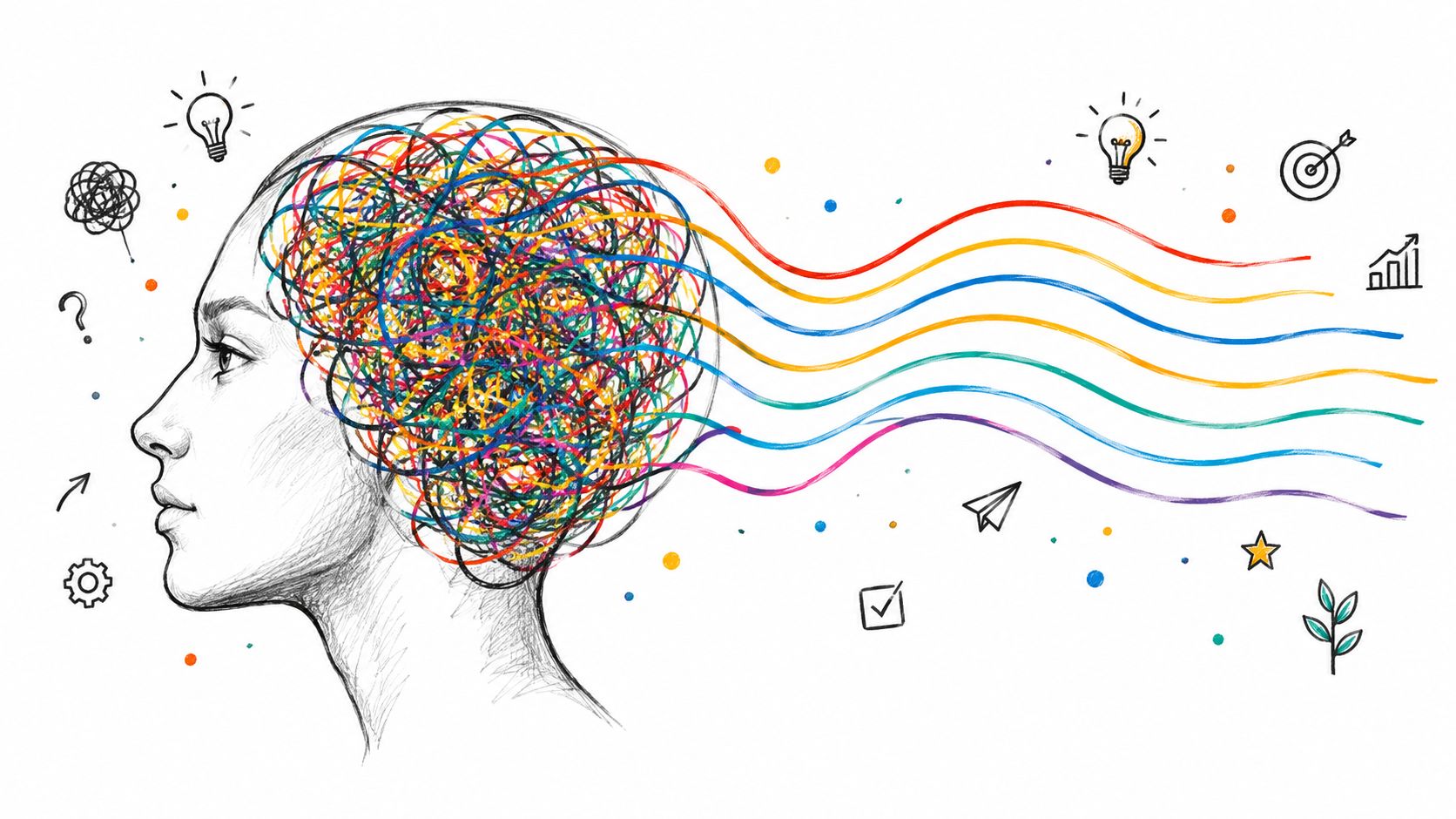
With Claude 4, users can benefit from improved contextual understanding & more accurate responses, they make complex tasks simpler and interactions become more intuitive as well. Those new AI models have also improved Writingmate's chatbot ability to generate detailed and contextually relevant images. In my opinion, those models suit any kind of projects though they as well have exact use cases where they shine.
It is important to understand how the upgrade helps. Claude 4 Sonnet and Opus are excellent at understanding subtle instructions. For example, if you ask for "a cyberpunk city at night with neon reflections on wet pavement," older models might just output the text prompt. Claude 4, however, can break that down into visual components: lighting direction, color palette (cyan and magenta), and texture details (wetness). When these refined instructions are sent to DALL-E or FLUX, the resulting image is much closer to your vision. It does not generate the image itself, but it makes the image generation process exponentially more accurate.
For more details about Claude 4 Sonnet & Opus, visit Writingmate AI Blog.

Apply Claude in Various Industries?
Rather than generic examples, here are three practical scenarios where the "Claude + Image Model" workflow actually adds value.
1. Marketing Graphics
- What Claude does: It takes a brief marketing goal ("we need an Instagram story for a summer sale on eco-friendly water bottles") and drafts a highly descriptive prompt.
- What the Image Model does: Renders the lifestyle shot with the correct lighting and colors.
- Constraint: The image model might struggle with specific brand logos or exact text overlay; always add text in Canva or Photoshop afterwards.
2. Video Thumbnails & Illustrations
- What Claude does: It analyzes a video transcript (a feature Writingmate supports) and suggests a thumbnail concept that matches the video's hook.
- What the Image Model does: Creates a high-contrast, eye-catching image based on that concept.
- Constraint: Facial expressions in generated images can sometimes look uncanny; using a style reference image often fixes this.
3. Document & Concept Visuals
- What Claude does: Converts complex data or text summaries into visual diagrams. While Claude cannot "draw" a chart like DALL-E, it can use its SVG capabilities to generate code for charts.
- What the Image Model does: Alternatively, if you need a conceptual illustration of a business idea, Claude describes it precisely.
- Constraint: As noted in Anthropic's documentation, Claude builds diagrams using HTML and SVG, which is different from generating a raster photo Anthropic support.
How to Use Claude for Image Generation
Using Writingmate all in one chatbot allows Claude 3 Opus and 3.7 Sonnet (as well as some later Claude versions) to integrate with advanced AI image generators DALL-E, Stable Diffusion, and FLUX.1. Here is the practical workflow to get started:
- Access the Tool: Go to Writingmate and select a Claude model (Claude 3.7 Sonnet is recommended for the best balance of speed and reasoning).
- Enable Image Generation: Look for the image generation toggle or plugin selection. You can choose between DALL-E 3 (photorealistic), FLUX (artistic control), or Stable Diffusion.
- Describe Your Idea: Type your request in natural language. Do not worry about prompt syntax. For example, instead of "Cyberpunk city, neon, 8k," write "Create an image of a futuristic city at night with lots of neon signs reflecting on wet streets."
- Iterate: Claude will likely respond with a refined description and the generated image. If it is not quite right, you can tell Claude to "make the lights brighter" or "change the style to anime," and it will update the prompt for the next generation.
This process is much simpler than manually prompting image models because you can have a conversation with Claude to refine the details. You no longer need to experiment with prompts a lot in Stable Diffusion and to make images all over again, you can write it in simple language to Claude and get those exact images that you need.
Bonus: Summarize and Visualize YouTube Videos
Writingmate can also summarize YouTube videos for you with the help of new Claude Sonnet and Opus. This is very useful for students, researchers, or anyone who needs to get the gist of long videos quickly.
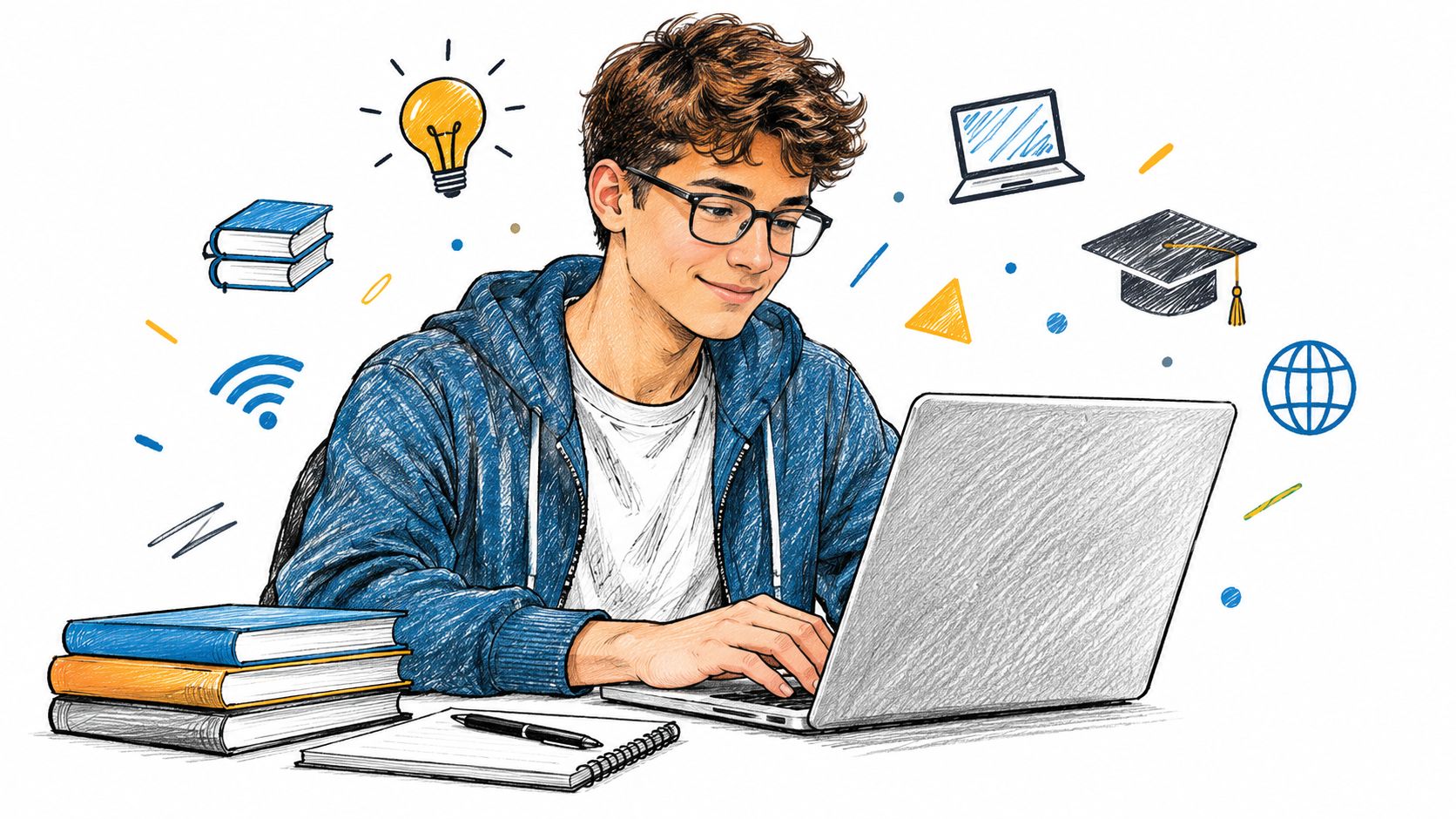
Quick Study Recaps. A student can summarize lectures from YouTube. They condense hours of content into short summaries. This helps in focusing on key points and saves time.
Make Use of Real-Time Data
Writingmate adds the ability for Claude 3 & 4 to access real-time data from the internet. This will be especially valuable if you want to generate up-to-date information on topics like news, statistics, or market trends.
Example: Write accurate reports. If your report covers the latest market trends, Writingmate can find recent articles and data and also fact-check them with no effort. This makes sure that your report is both accurate and always timely.
Reference: Here you can see how AI improves real-time data access at the moment: https://www.ibm.com/products/blog/ai-real-time-data
Working with Attached Files
Another handy feature of Writingmate is that it allows Claude AI models to handle various files, such as PDFs, spreadsheets, and text documents. This makes it very useful for business professionals and students. Claude Documents? Easy. Claude Image? Just a plugin click.
Example: Suppose an accountant needs to analyze a lot of financial data from spreadsheets. With Claude 3, you can upload the spreadsheet, and it will analyze the data, generate reports, and give you insights.
Reference: For more on AI in document management, visit AI in document management.
Custom AI Assistants (for Claude Images and more)
Writingmate now makes it possible to create custom AI assistants tailored for specific needs. You may also choose of various suggested assistants: AI Image Assistant, Article Summarizer, SEO Tool, AI Text Detector, Medical Student helper and many more. This could be anything from social media captions to medical student assistance.
Example: Social Media Management A business owner can create an AI assistant to help manage social media posts. This AI can generate captions, schedule posts, and analyze engagement, reducing the workload significantly.
Reference: Learn more about AI-driven social media management.
Using Claude 3 Anywhere
With Writingmate, Claude 3.7 Sonnet or Cluade Opus can be accessed from any country. Whether you're in the United States or a remote village in Asia, you can use Claude 3 to meet your needs. This global accessibility is crucial for businesses and schools operating in multiple regions.
Example: Global Customer Support A company operating worldwide can use Claude 3 to provide customer support in different languages. This ensures that customers from various regions get timely assistance.
Reference: Learn more about global AI deployments.
Split Screen Mode for Efficiency
Writingmate offers a split-screen mode that boosts productivity. It allows you to work on one task while keeping another task or reference in view. This is especially helpful for multitasking.
Example: Research and Writing Suppose you're drafting a report and need to consult multiple sources. You can use split-screen mode. It lets you read a study on one side of the screen and write your report on the other. This increases efficiency.
Reference: More on split screen productivity.
Endnotes on Making Visuals With Claude AI
Claude 3 by Anthropic is already a powerful AI tool. However, when you use it on Writingmate, it takes that AI model to another level. By adding the ability to generate images, summarize videos, access real-time data, and work with various file types, Writingmate makes Claude AI one of the most useful AI assistants in my experience & on the whole market.
Whether you're in healthcare, education, or business, the combination of Claude 4 Sonnet or Opus and Writingmate.ai can significantly simplify your work. It may be used in a very simple way and does not need a lot of learning. You can manage tasks more efficiently, make better decisions, and even generate creative content with ease.
Claude Image Generation FAQ
- Can Claude AI create images? Not natively. Claude is an "image understanding" model, meaning it can analyze photos and diagrams you upload, but it cannot produce image files like JPEGs or PNGs Anthropic docs. To create images, you must use a wrapper tool like Writingmate that connects Claude to DALL-E, FLUX, or Stable Diffusion.
- Is Claude image generation free? If you use Claude directly on Anthropic's platform, you can upload images for analysis for free (within rate limits), but you cannot generate new ones. On third-party tools like Writingmate, image generation usually requires a paid subscription because you are paying for both the Claude API usage and the credits for the image model (e.g., DALL-E 3).
- How does Claude image generation compare to DALL-E? They are not competitors; they are teammates. DALL-E generates the pixels, while Claude designs the prompt. A direct DALL-E prompt might be vague ("a dog in space"), but a prompt engineered by Claude 4 Opus will include details about lighting, camera angle, and style ("a hyper-realistic portrait of a golden retriever wearing a futuristic astronaut suit, floating in a nebula, cinematic lighting, 8k resolution"). This collaboration yields much higher quality results than using either tool alone.
- Will Claude eventually generate images natively? There is no official announcement from Anthropic stating that a native Claude image generator is coming. The architecture of Claude is designed for reasoning and language. While it can generate SVG code for diagrams and charts, producing photorealistic raster images requires a completely different type of diffusion model. Therefore, the "Claude image generator" you see online is almost certainly a composite workflow.
- What types of images can Claude generate? Via integrations, you can generate almost any type of image: photorealistic product shots, digital art, anime-style illustrations, and business infographics. The limitation is usually on the connected image model's safety filters, not Claude's language capabilities.
For a deeper dive into this workflow, you might find CreativeClaw's guide helpful, as it covers similar techniques for using LLMs to enhance image generation pipelines.
Sources
- Anthropic Documentation - Using Claude
- Anthropic - Claude Model Overview
- Writingmate.ai
- www.youtube.com
- DALL-E
- Writingmate AI Blog
- real-time data access
- AI in document management
- AI-driven social media management
- split screen productivity
- AI in healthcare
- AI in education
Written by
Artem Vysotsky
Ex-Staff Engineer at Meta. Building the technical foundation to make AI accessible to everyone.
Reviewed by
Sergey Vysotsky
Ex-Chief Editor / PM at Mosaic. Passionate about making AI accessible and affordable for everyone.
Frequently Asked Questions
Sources
Written by
Artem Vysotsky
Ex-Staff Engineer at Meta. Building the technical foundation to make AI accessible to everyone.
Reviewed by
Sergey Vysotsky
Ex-Chief Editor / PM at Mosaic. Passionate about making AI accessible and affordable for everyone.