Open your phone's subscription screen right now. If you're anything like most people I talk to, you've got ChatGPT Plus for chat, Midjourney for images, maybe a Runway or CapCut trial for video, and a Zapier or Notion AI plan bolted on for work. That's four logins, four separate bills, and four different places your best prompts and context live — none of which talk to each other.
My name is Artem, I run the Writingmate blog, and I spend an unreasonable amount of my week paying for AI apps just to compare them honestly. For this post I didn't want to write another "50 best AI apps" list that's really just a directory. Instead I picked the four jobs people actually hire AI apps for — chat and writing, image generation, video generation, and business workflow automation — and ran the exact same task through the leading standalone apps in each category. Then I ran all four tasks again inside one platform to see what changes when you're not switching tools.
Here's the short version: no single standalone app wins all four categories, and it was never going to. But the gap between "best in category" and "good enough in category, and it's already open in the same tab" is smaller than the marketing pages want you to believe — and it gets a lot more expensive to ignore once you add up what four separate plans actually cost.
How I Tested: One Real Job, Four Categories
I skipped synthetic benchmarks. A leaderboard score doesn't tell you what it feels like to actually need an image by 3pm. Instead I picked one concrete task per category, based on jobs I get asked about most often, and ran it through 3-4 leading apps per category as of August 2026:
- Chat and writing — research a specific, checkable claim (recent pricing changes across two AI providers) and draft a two-paragraph internal memo summarizing it, with sources I could click.
- Image — generate a studio-lit product photo of a ceramic mug on a plain background, holding a specific brand color and label text.
- Video — a 5-second text-to-video product pan of that same mug, no post-editing, straight out of the generator.
- Business/productivity — a multi-step task: read a pricing page, extract every plan and price into a table, then draft a two-sentence Slack update summarizing the change for a team.
I scored each app on whether it finished the actual job correctly, not just whether it produced *something*. A pretty product photo with the wrong label text is a fail. A memo with confident claims and no clickable source is a fail.
Chat and Writing Apps: ChatGPT, Claude, Gemini, Perplexity
For the research-and-draft task, the four names that show up in nearly every "best AI chatbot" list in 2026 are ChatGPT, Claude, Gemini, and Perplexity, and each one earned its reputation on a specific slice of the job:
- Perplexity cited sources cleanly and consistently — the only one that made fact-checking the memo trivial.
- Claude wrote the tightest, most readable two-paragraph draft, but I had to manually verify its claims against the source pages myself.
- ChatGPT handled the task fine and is the most versatile single option if you're picking just one, per OpenAI's own plan comparison — it's the same $20/month Plus tier most people already have.
- Gemini pulled ahead the moment I mentioned the source lived in a Google Doc — native Workspace access is a real advantage if that's already where your files live.
None of these failed outright. But notice that "best" here already splits into four different answers depending on what you weight — sourcing, prose quality, versatility, or file integration. That's before you've touched an image or video generator at all.
Image Apps: Midjourney, Nano Banana, Ideogram
For the product photo, Midjourney v7 is still the quality bar most people compare everything else against — the mug render looked the most "shot for a catalog" of anything I generated. Google's fast image model (Nano Banana) followed the exact label-text instruction most reliably, which matters more than it sounds when you actually need brand copy to render correctly instead of as garbled pseudo-text. Ideogram split the difference: strong on text rendering, a step behind Midjourney on lighting realism.
If your job is "make something that looks expensive," Midjourney wins. If your job is "make something that says exactly what the brief says," a prompt-adherent model like Nano Banana or Ideogram wins. Picking wrong for your actual use case is the single most common image-generation mistake I see people make.
Video Apps: Sora, Veo, and the Rest
For the 5-second product pan, Google's Veo produced the most physically coherent motion — the mug's reflections tracked correctly as the camera moved, which is exactly the kind of detail that breaks in weaker video models. Sora's clip looked cinematic but drifted slightly on the label placement by the last frame. Neither is a five-minute job — both took multiple regenerations to land a usable clip, which is worth knowing before you promise a client a same-day turnaround.
Video is still the category with the widest quality spread between "best" and "everything else," and it's also the category where a bad generation costs you the most time, since a failed 5-second clip can still take a minute or two to render before you find out it's wrong.
Business and Productivity Apps: Where "Chat" Isn't Enough
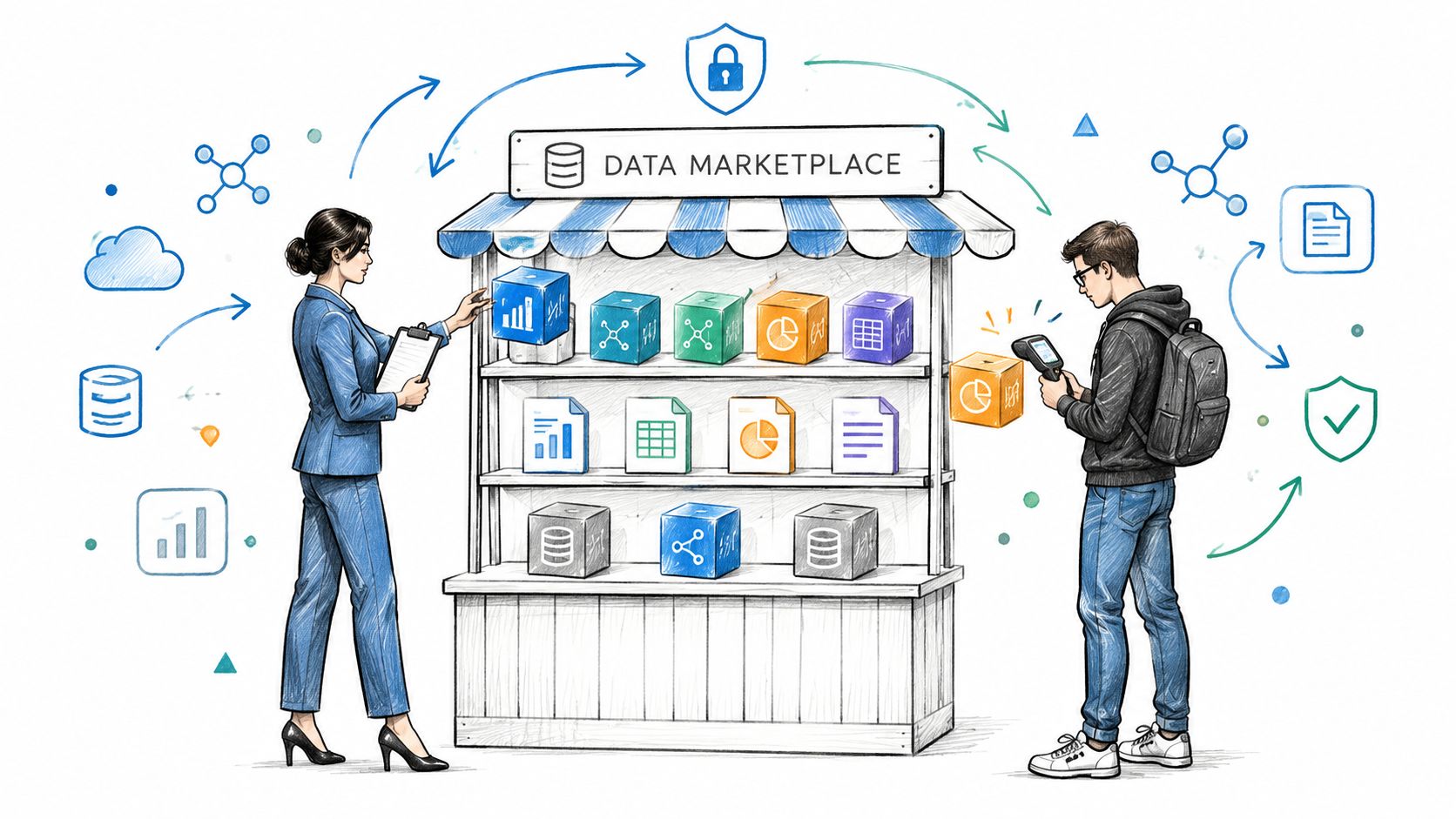
The pricing-page-to-Slack-update task isn't a chat task — it's a workflow task, and that's where dedicated automation apps like Zapier, Make, and Lindy earn their keep. A pure chatbot can summarize a pasted pricing page, but it can't reliably go fetch the live page, extract a table, and post to a channel without you doing the connecting work yourself. That's the gap business-focused AI tools are built to close, and it's also where most teams end up paying for a second or third tool on top of their chat subscription just to get the "do the multi-step thing" capability.
"businesses bought every AI tool in 2024 > ChatGPT seats. three agents. nothing connects > they're more buried than when they started" — @Zephyr_hg on X
That quote is blunt, but it matches what I see in practice: buying more tools without a shared context layer often creates more coordination overhead, not less. A team that can build a custom agent — read a page, extract structured data, draft the update — inside the same app they already chat in skips that integration tax entirely. Writingmate's custom agent builder handles this exact class of task without a separate automation subscription.
What Four Separate Subscriptions Actually Cost
Here's the math nobody puts on the marketing page. If you want "best in category" across all four jobs as separate apps, this is roughly what you're paying as of August 2026:
Category | Best-in-category app | Typical monthly price |
|---|---|---|
Chat / writing | ChatGPT Plus or Claude Pro | $20 |
Image | Midjourney (Standard) | $30 |
Video | Veo / Sora via a Google or ChatGPT Pro tier | $20–200 |
Business / agents | Zapier or Lindy starter plan | $20–30 |
Combined (low end) | Four separate logins | ~$90–100+/month |
That's before you count the actual cost of switching — re-explaining context to each app, re-uploading the same brand assets four times, and losing track of which tool produced which draft. A 2026 power-user thread on the subscription-stacking problem put it well:
"Going to cancel my perplexity subscription as well. Instead I'm going for a Gemini pro subscription. I'm paying way too much at the moment. ChatGPT, Claude, and upcoming Gemini. But to be fair: I use all of them extensively." — @kimmonismus on X
And from the chat side specifically:
"I use Claude for writing, ChatGPT for image gen and quick lookups, and Perplexity when I actually need sources — but honestly the switching is the annoying part, not any one tool being bad." — a user on r/ChatGPT
That's the real cost of "best in category" — it's rarely the price on any single receipt. It's the tax you pay in switching, re-explaining, and losing the thread between tools.
Running the Same Four Jobs in One App
I ran the same four tasks again, this time inside Writingmate, switching models from the same chat window instead of switching apps. The research memo used Claude for the drafting and Perplexity-style search in the same thread. The product photo and the video pan used the same reference image and brand color I'd already uploaded for the research task — no re-uploading brand assets a second and third time. The Slack-update task ran as a custom agent that read the pricing page and drafted the update in one pass.
None of the individual outputs magically beat the category leader — Midjourney's product photo was still the best-looking image in this test. What changed was everything around the output: one login, one price, and a shared context window that carried the brand color and label text from the research step through to the image and video steps without me retyping it. You can see the full model lineup on the supported models page if you want to check whether your specific go-to model is included before switching.
So, Which Is the Best AI App in 2026?
Honestly, "best AI app" is the wrong question if you're doing more than one type of work — and almost everyone is. Here's my actual scoring, task by task:
- Best pure research and citations: Perplexity.
- Best writing quality: Claude, if you don't need images or video from the same tool.
- Best photorealistic image: Midjourney.
- Best prompt-adherent image (accurate text/labels): Nano Banana or Ideogram.
- Best video coherence: Veo, with Sora close behind.
- Best for connecting a chat answer to an actual workflow step: a dedicated agent, not a plain chatbot.
- Best single account if you need chat, image, video, and agents without four bills: that's the gap Writingmate is built to close, and you can check current tiers on the pricing page before committing to anything.
If 90% of your work is one category — you're a video editor who barely touches spreadsheets, say — keep the specialist app and don't overthink it. But if your actual week looks like mine, bouncing between "draft this," "make an image of this," "turn this into a clip," and "automate this multi-step thing," the honest move is testing whether one platform can carry all four before you accept four separate charges as normal.
My honest take: category leaders are worth knowing, and I'll keep testing them as new models ship. But "best" only means something once you know which job you're actually hiring the app for — and how many other jobs you're going to ask the same app, or a different one, to do next.
See you in the next one!
Artem
Frequently Asked Questions
Sources
- OpenAI's own plan comparison
- Google's Veo
- Midjourney v7
- a user on r/ChatGPT
- @kimmonismus on X
- @Zephyr_hg on X
- ChatGPT, Claude, Gemini, Grok, Perplexity: Which One Is Actually Worth It? (YouTube)
- Writingmate vs ChatGPT Plus and Other ChatGPT Tools — Writingmate Docs
- custom agent builder
- supported models page
- Writingmate
- pricing page
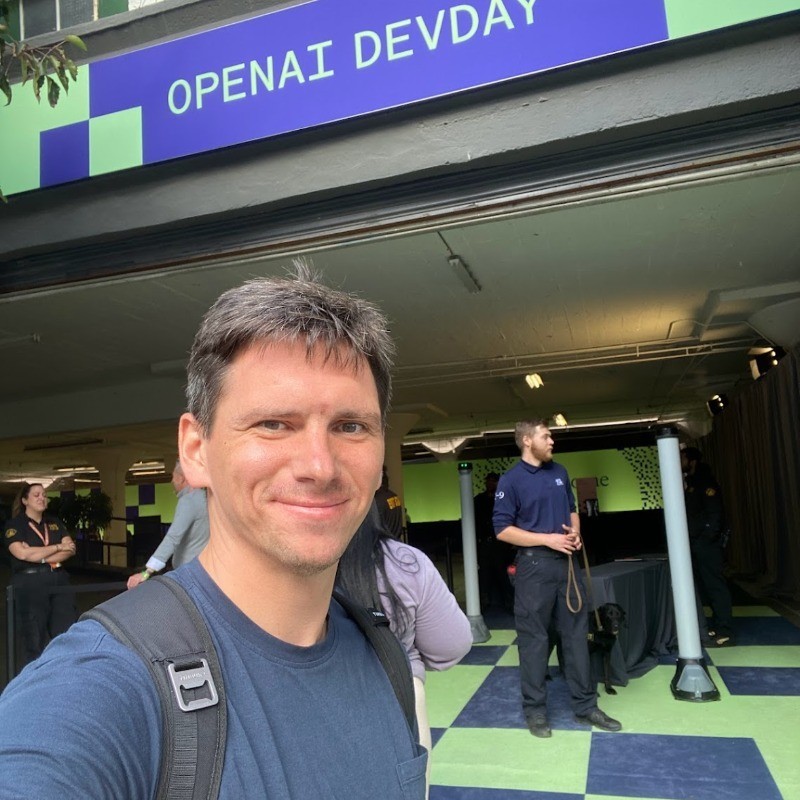
Written by
Artem Vysotsky
Ex-Staff Engineer at Meta. Building the technical foundation to make AI accessible to everyone.

Reviewed by
Sergey Vysotsky
Ex-Chief Editor / PM at Mosaic. Passionate about making AI accessible and affordable for everyone.